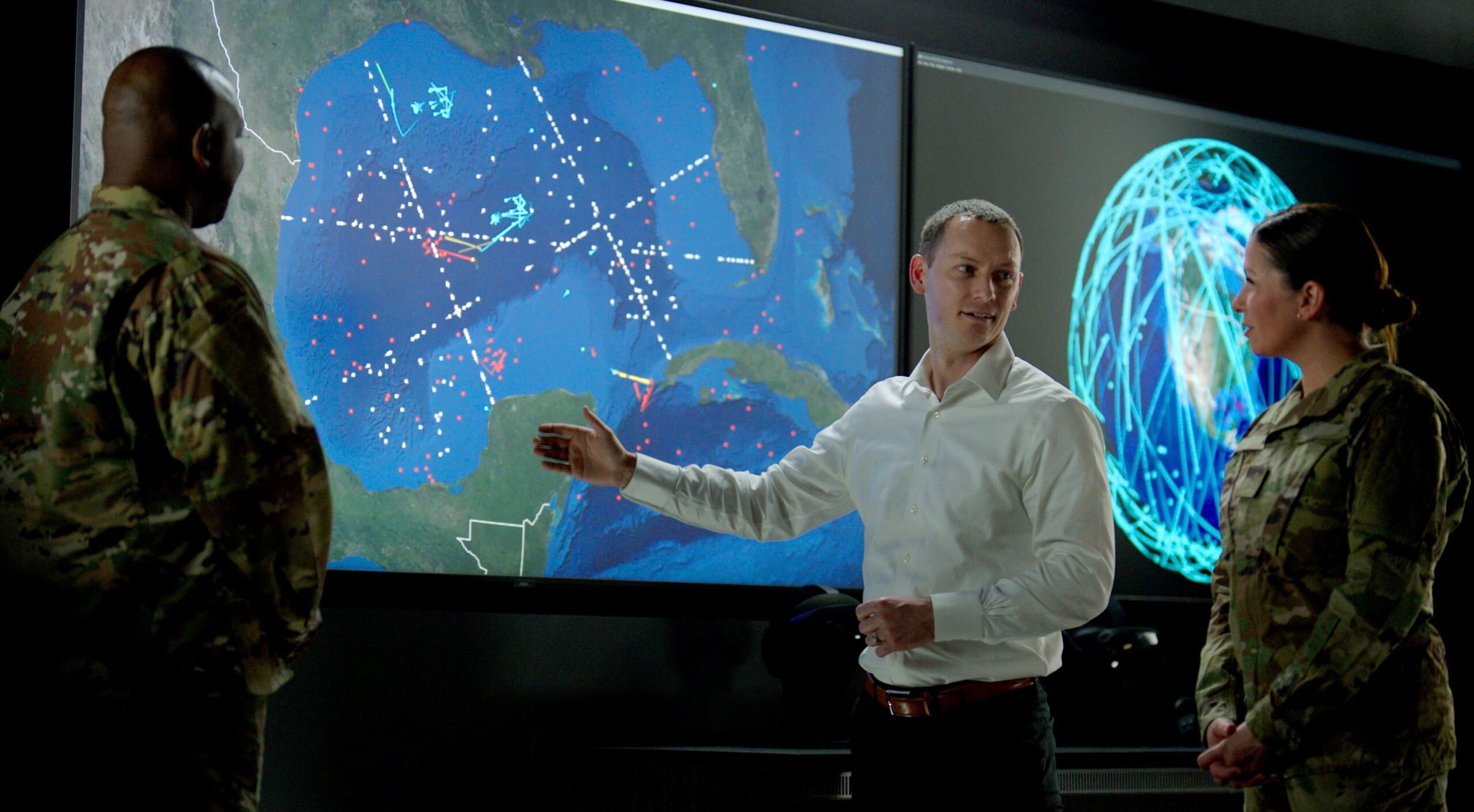
Capability exists to simulate the future of kill chains at theater scale
A tool to explore what-if scenarios and tradeoffs at the theater-level faster than traditional analysis.

A tool to explore what-if scenarios and tradeoffs at the theater-level faster than traditional analysis.

Drones, high-speed cruise missiles, and ballistic missiles attacking together from 360° creates complexity only certain radars can handle.

Next-generation modular radars and new composable weapon capabilities solve a critical problem for the U.S. and allied militaries.

High-speed cruise and ballistic missiles and drones attacking from different directions simultaneously is the challenge that radars must meet today.

Raytheon’s Advanced Technology president sheds light on the team’s behind-the-scenes R&D work to advance radars, hypersonics, and missile defense.

There's a new fire-control radar that's air-cooled and small enough for light-attack aircraft, helicopters, and unmanned aircraft systems.

Radars, EW, EO/IR, space imagery, and microelectronics are brought under one roof for a streamlined approach to common people and factories.

“Mission engineering” can integrate space and ground assets to push data to the edge.

It takes a layered defense plan to be survivable, which means jammers to disable, deceive, and disrupt, along with onboard self-protect and off-board decoys.

Digital engineering and modern tools and processes offer near-term opportunities to improve satellite mission planning, data processing, command and control, and cybersecurity.

Six LTAMDS radars are being tested in parallel to speed this transformational warfighting capability to U.S. Army and international air defense forces.
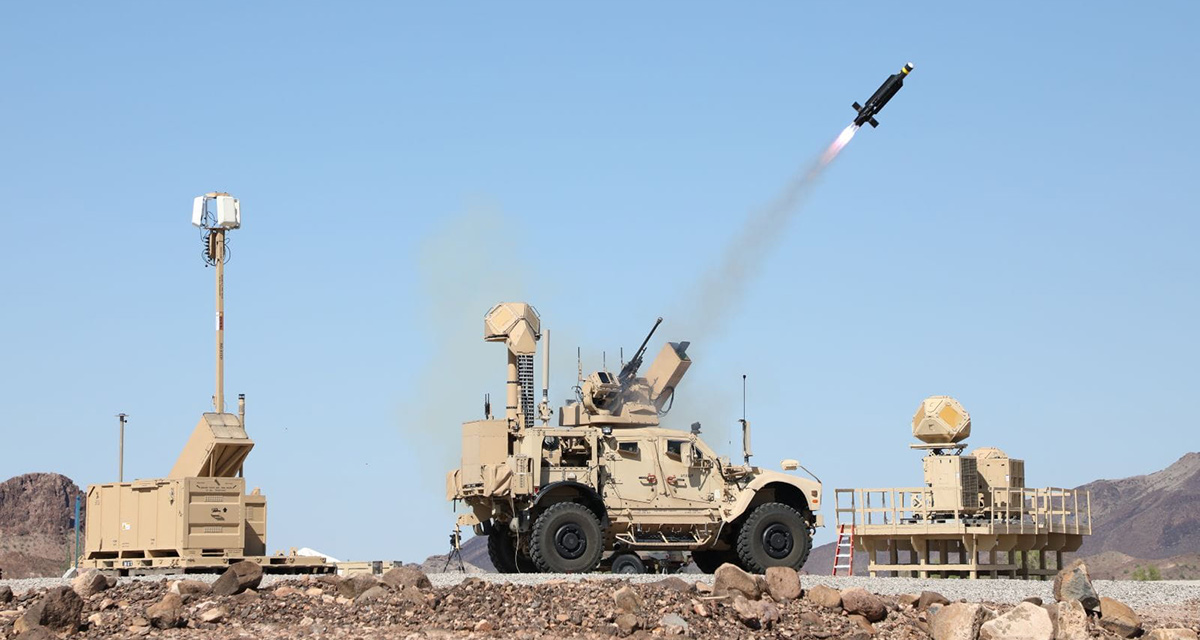
Raytheon’s KuRFS radars and Coyote® effectors team up to defeat evolving, proliferating unmanned aircraft systems threat.
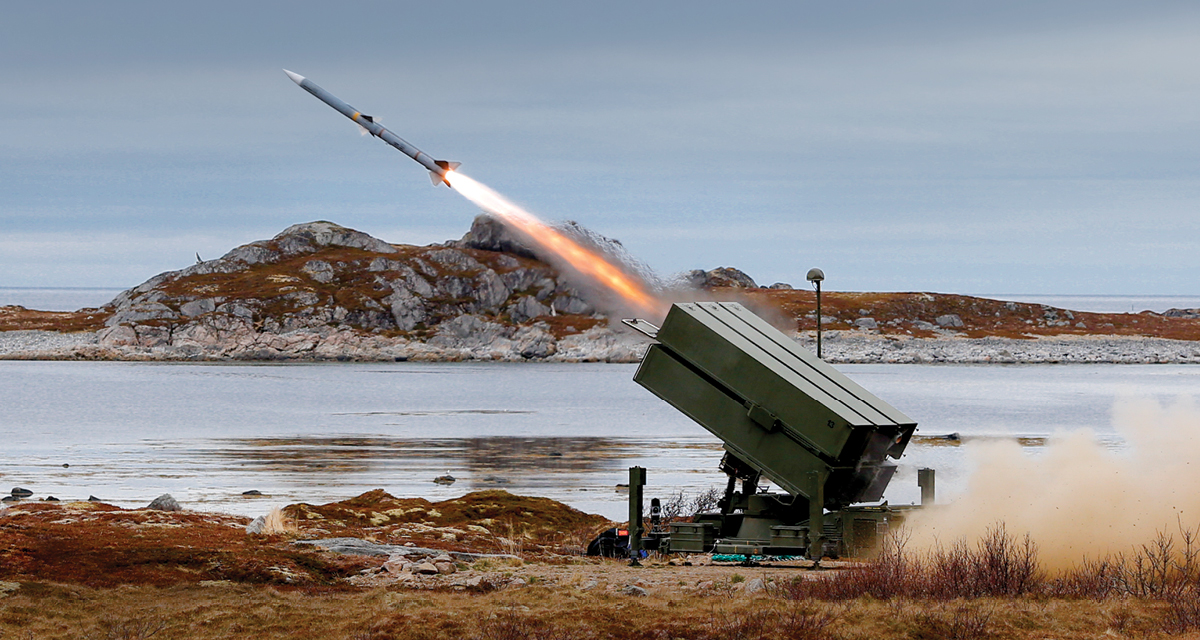
Raytheon integrated air defense systems — advanced radars, command and control systems and interceptors — form a multi-layered shield for air base defense.

Advanced solutions for a layered defense against complex threats.